








Oakland Fix-and-Flip Loan: Smart Renovation Strategies for Bay Area Investors
Recently Funded| $536,500 Fix-and-Flip Loan | Oakland, California
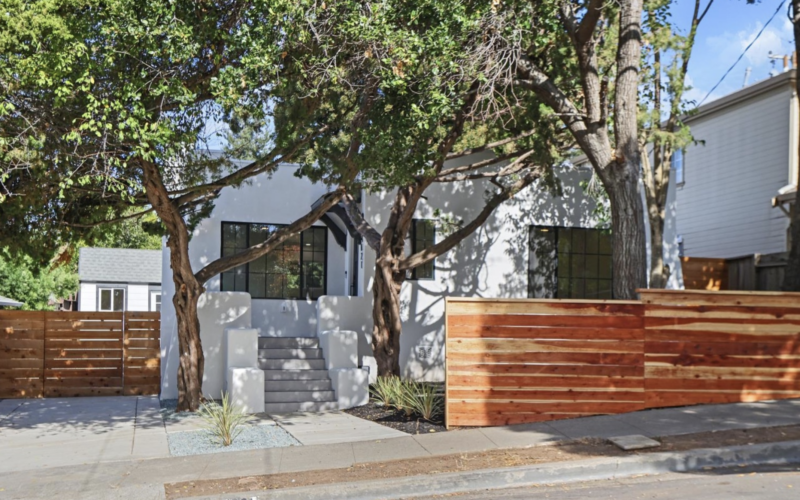
Successful fix-and-flip investing isn’t simply about buying a distressed property and renovating it. For experienced investors, the real opportunity comes from controlling costs, making strategic improvements, and developing repeatable systems that can be applied across multiple projects. A recently paid-off $536,500 fix-and-flip loan in Oakland, California, provides a useful example of these principles in action. The property is located in Oakland’s Redwood Heights neighborhood, this is a 1923 single-family home that underwent an extensive renovation that transformed an old property into a modern, move-in-ready residence.
This project demonstrates several strategies that experienced Bay Area real estate investors can use to improve efficiency, control renovation expenses, and prepare their businesses for growth.
An Oakland Fix-and-Flip: From $490,000 Acquisition to a $899,000 Listing
The investor acquired the property in November 2024 for $490,000, with financing provided by Lantzman Lending.
Project highlights:
| Project Details | Amount |
|---|---|
| Location | Oakland, CA 94619 |
| Purchase Price | $490,000 |
| Fix-and-Flip Loan | $536,500 |
| Renovation Budget Estimate | $110,000 |
| Time to Complete | 18 Months |
| Marketing Time | 39 Days |
| Listing Price | $899,000 |
| Loan Paid Off | October 2026 |
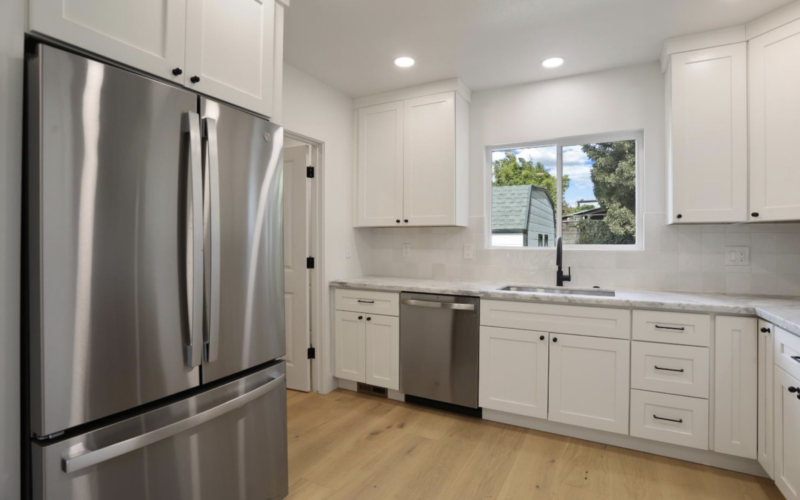
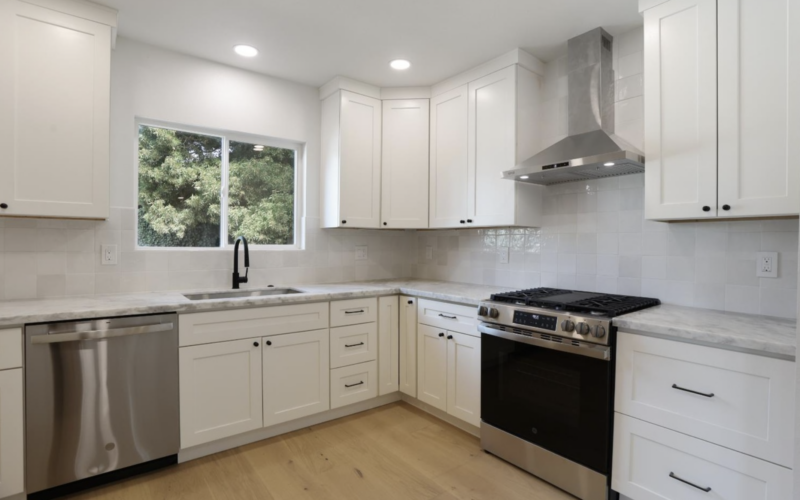
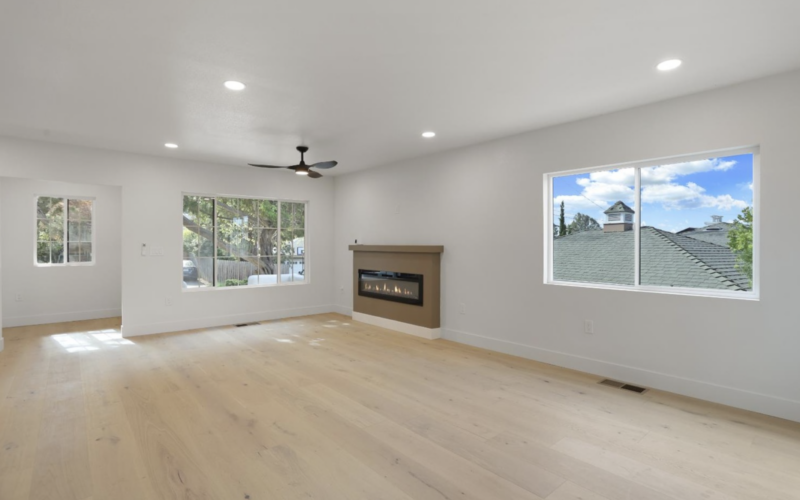
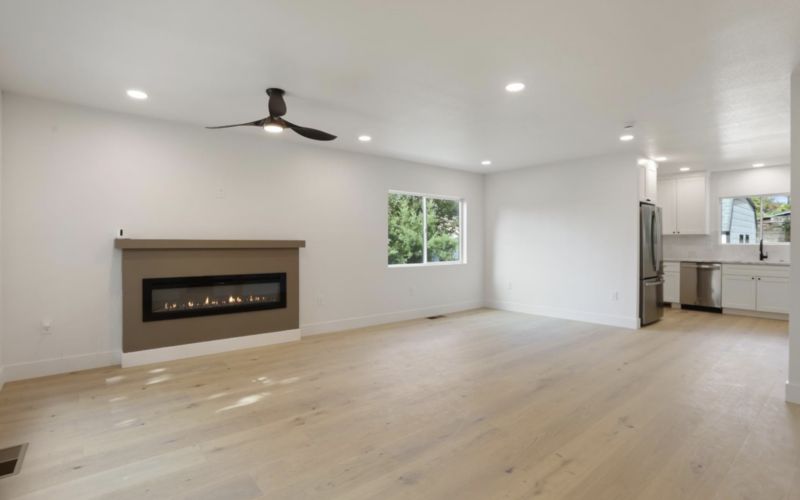
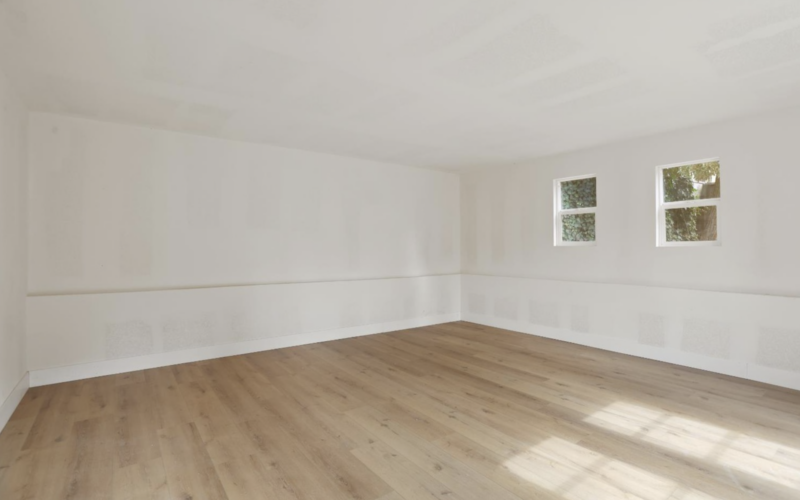
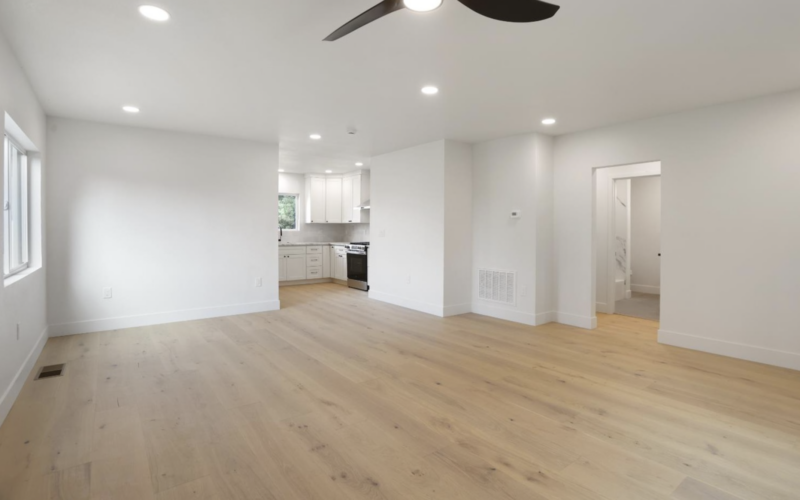
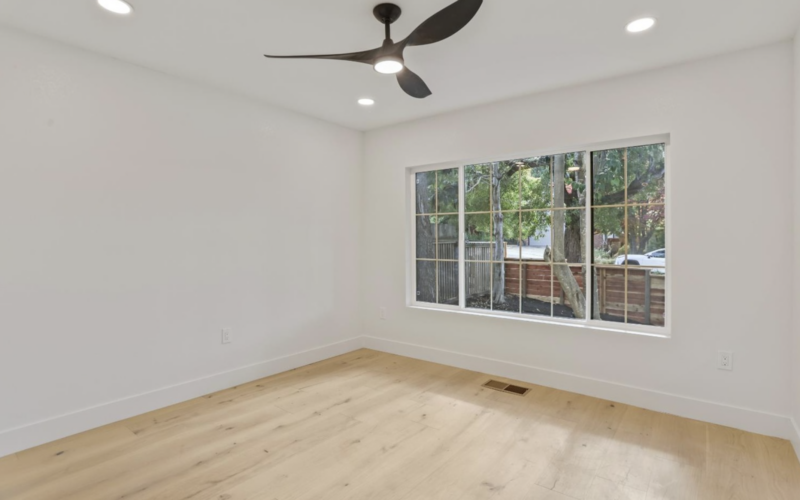
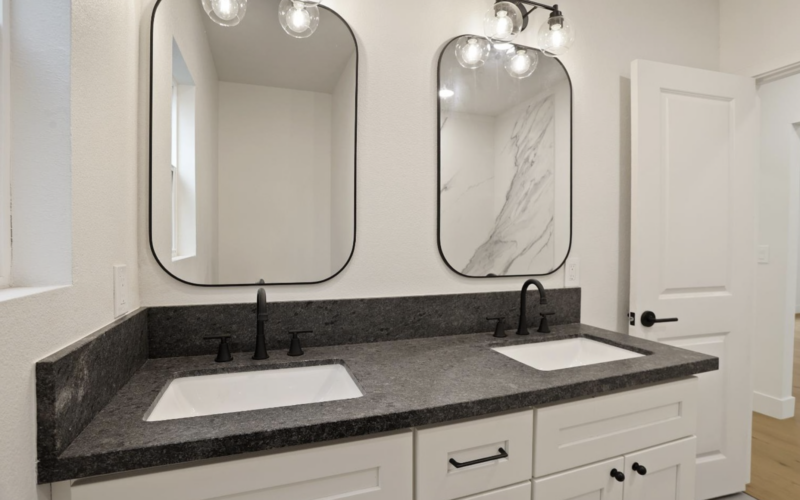
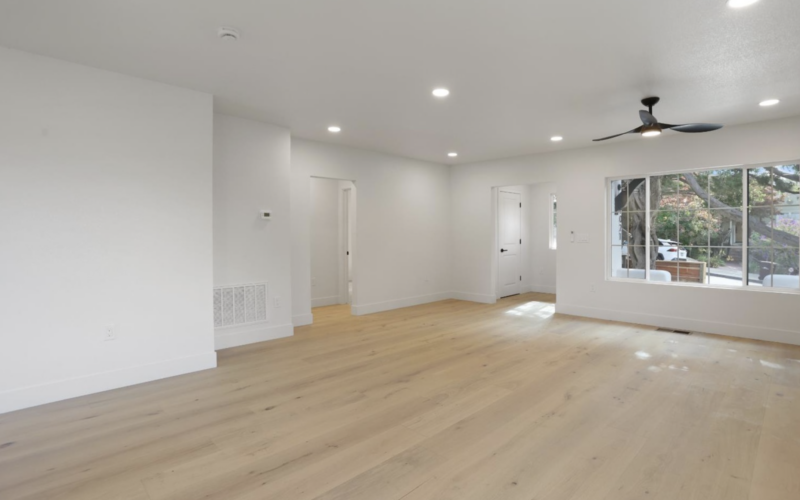
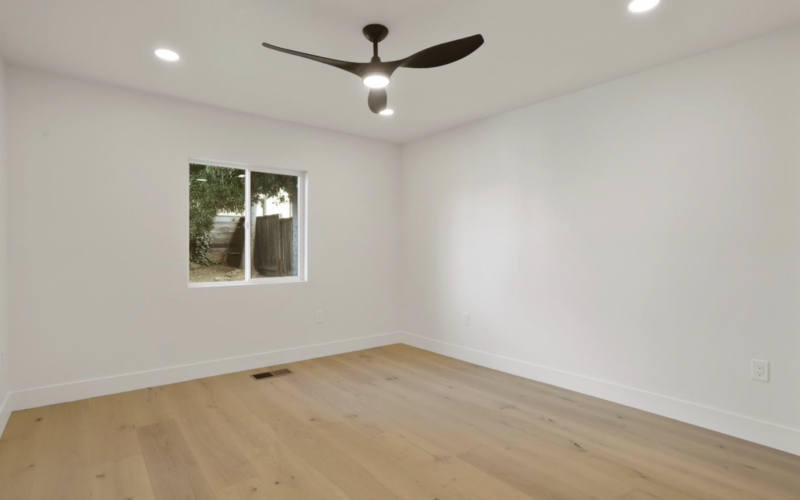
The property features two bedrooms, one bathroom, approximately 1,094 square feet of living space, and a 5,000-square-foot lot. The renovation included a redesigned kitchen with custom cabinetry, quartzite countertops, stainless steel appliances, white oak hardwood flooring, new windows, and significant electrical and plumbing upgrades. Rather than relying solely on cosmetic changes, the investor addressed important infrastructure while creating an updated interior with broad buyer appeal.
The $899,000 listing price represents a substantial increase over the original acquisition price, reflecting both the property’s renovation and its repositioning in the local market. However, the difference between acquisition cost and listing price should not be confused with profit, which must account for renovation expenses, financing, carrying costs, transaction expenses, and the eventual selling price.
Five Fix-and-Flip Strategies Experienced Investors Can Use to Scale
One of the more interesting aspects of this Oakland project is how its presentation and renovation decisions illustrate approaches that can be repeated across multiple properties.
1. Use AI-Powered Virtual Staging to Reduce Marketing Expenses
Virtual staging is becoming an increasingly practical marketing tool for real estate investors.
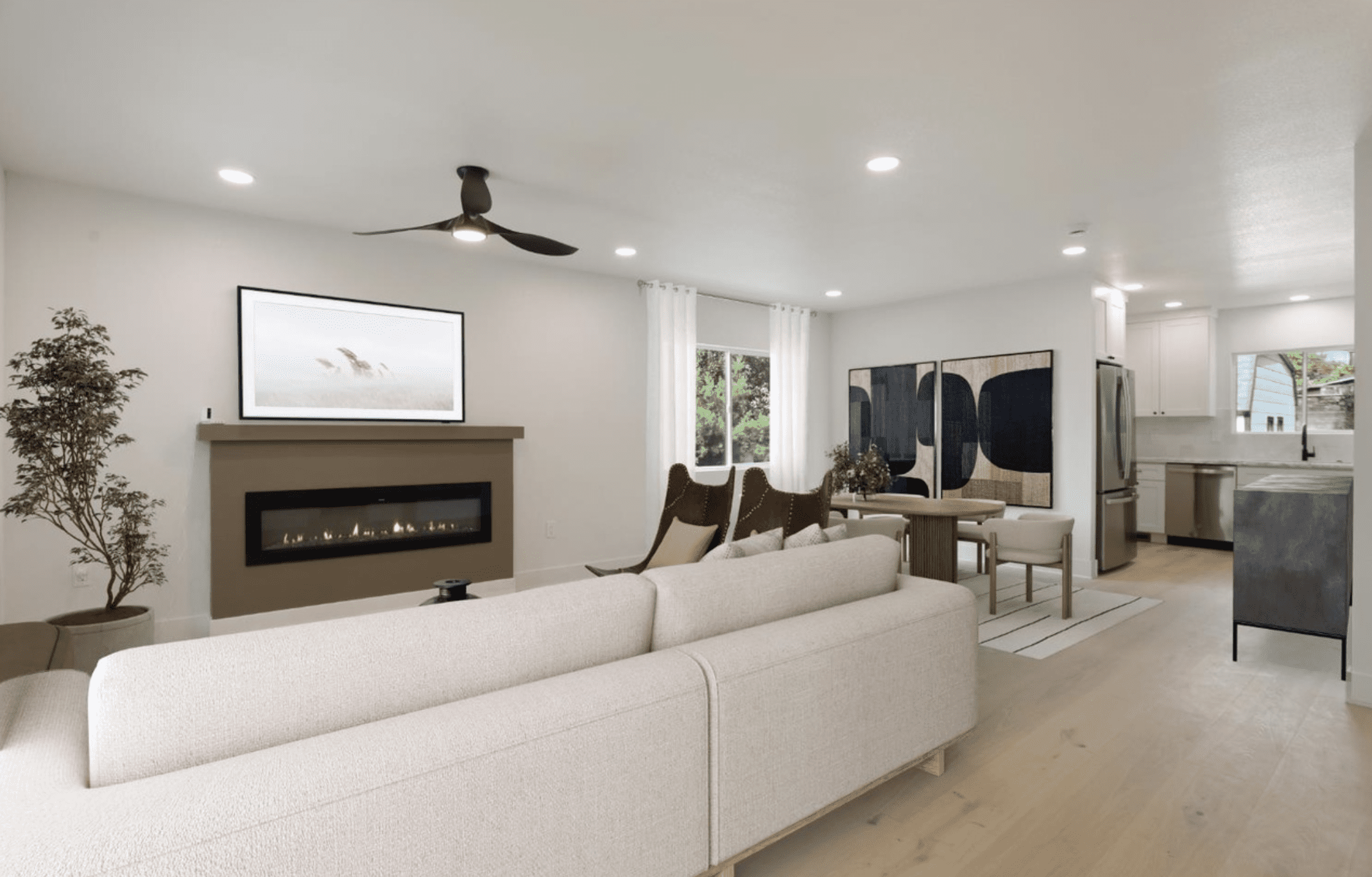
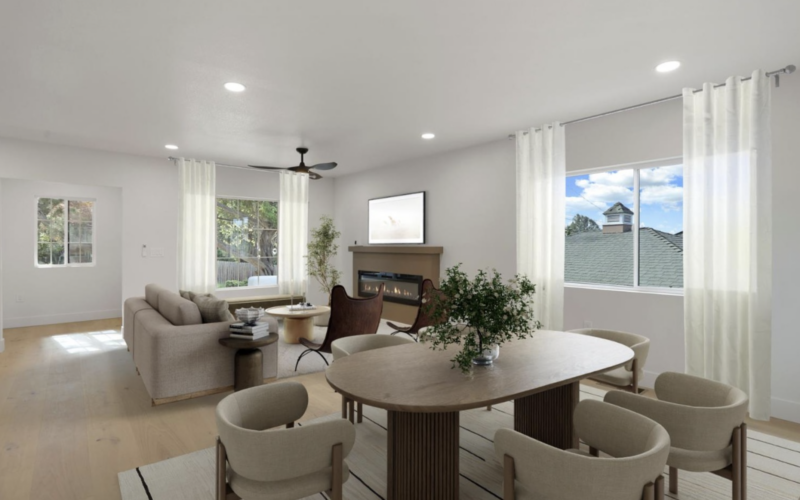
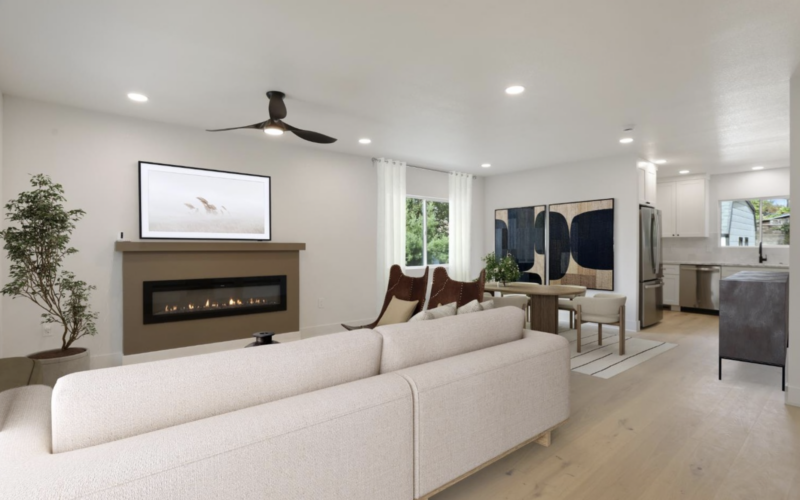
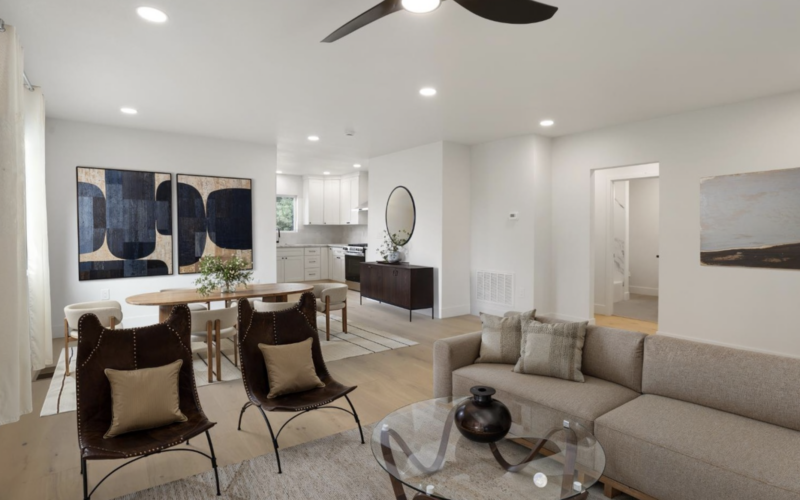
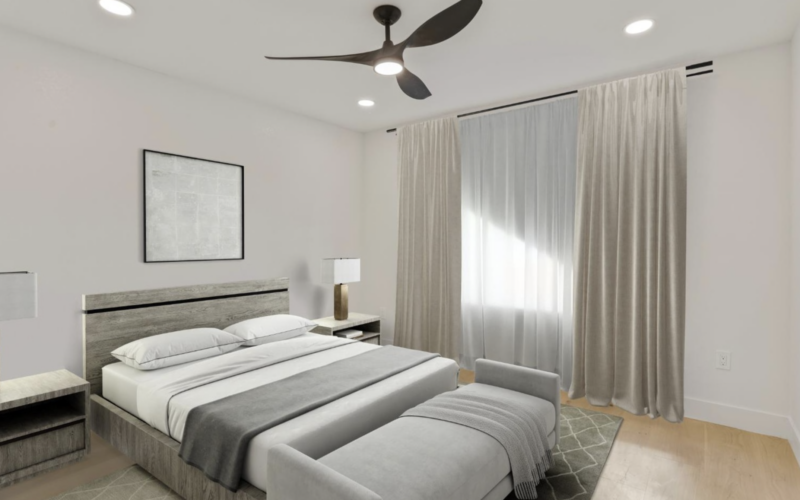
Instead of purchasing furniture, coordinating deliveries, and paying for traditional physical staging, investors and their agents can use AI-powered tools to furnish photographs of vacant rooms digitally. This Oakland property incorporated virtual staging into its marketing presentation, helping buyers envision how the renovated spaces could function when furnished. For an investor managing several flips annually, the potential savings can be meaningful.
AI tools can now create convincing furniture layouts and room presentations at a fraction of the cost of traditional staging. Some platforms offer inexpensive per-image processing, and AI-based editing tools can make the marginal cost of staging additional rooms nearly negligible. Virtual staging also allows investors to experiment with different furniture styles or layouts without physically modifying the property.
The important consideration is accuracy. Digitally staged images should be clearly disclosed and should not misrepresent permanent features, room dimensions, or the property’s actual condition.
Investor takeaway: Develop a consistent photography and virtual-staging process that can be reused across every completed project, reducing marketing costs and simplifying the listing process. Also, while virtual staging is good for getting people in the door, it does leave the buyers potentially disappointed once they walk in the door and feel the property empty, and many investors prefer actual staging versus virtual staging for this reason.
2. Keep Landscaping Simple and Give Buyers a Blank Slate
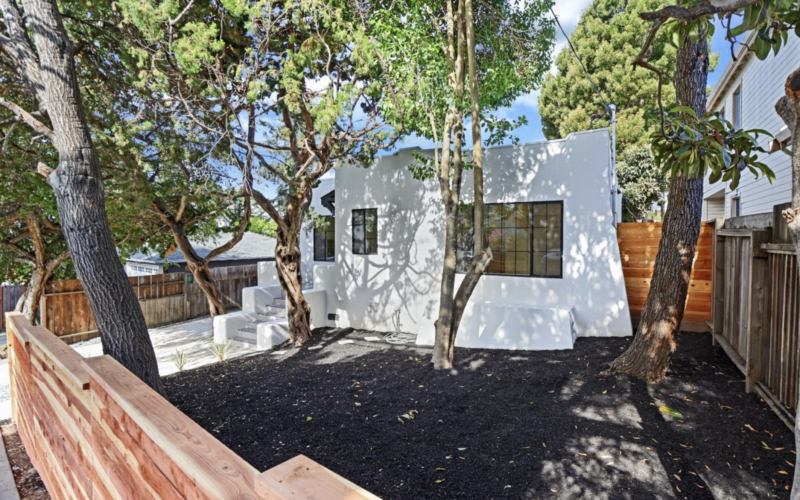
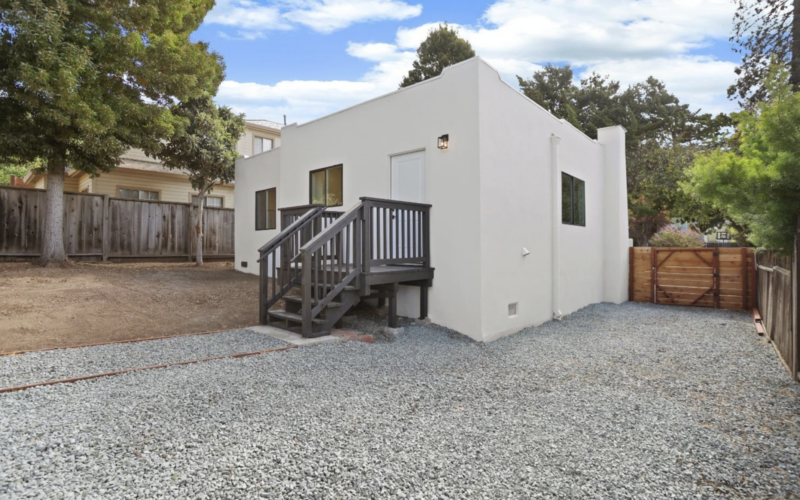
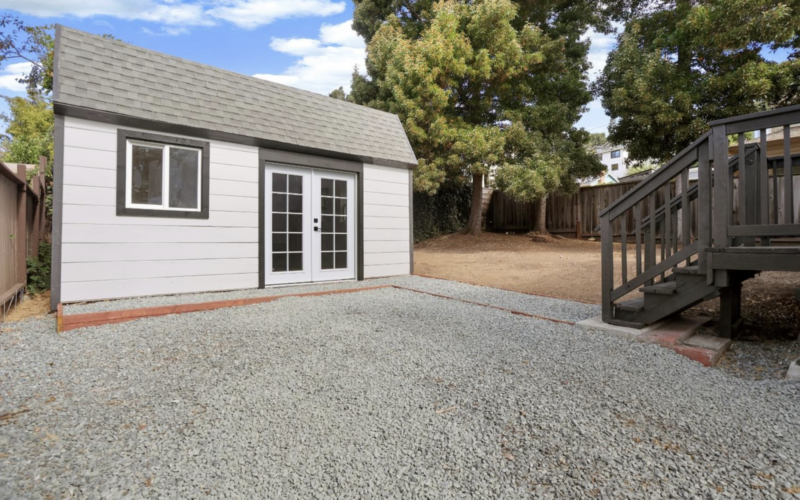
Landscaping is another area where experienced investors often distinguish between improvements that materially increase buyer appeal and expenses that may not produce an adequate return. On this Oakland fix & flip property, the exterior presentation emphasizes a relatively simple, low-maintenance approach rather than extensive landscaping.
This strategy has several potential advantages:
#1: It keeps renovation budgets focused on the home itself, where improvements to kitchens, bathrooms, flooring, and major systems may have a more direct influence on marketability.
#2: A clean outdoor space gives future homeowners an opportunity to customize the yard to their own preferences.
#3: Simple landscaping generally requires less maintenance while the property is being marketed.
For many Bay Area fix-and-flip projects, a clean yard, trimmed vegetation, functional drainage, and a tidy exterior may provide a better balance of cost and presentation than elaborate landscaping installations.
Investor takeaway: Prioritize curb appeal, safety, drainage, and usability without over-improving exterior spaces beyond neighborhood expectations.
3. Standardize Neutral Finishes, Materials, and Suppliers
One of the most valuable strategies for scaling a fix-and-flip business is reducing the number of decisions required for each renovation.
This Oakland fix & flip renovation uses a relatively neutral interior palette, with light-colored walls, natural wood flooring, contemporary cabinetry, and coordinated fixtures. These selections help create an updated appearance while allowing buyers to envision their own furnishings and decorating preferences. For experienced investors, however, the greater opportunity is standardization.
Rather than selecting completely new materials for every project, investors can develop a consistent package of approved products, including flooring, paint, cabinets, lighting, plumbing fixtures, and hardware. Working repeatedly with the same suppliers can also create opportunities for volume pricing, faster ordering, easier replacements, and more predictable installation schedules.
A standardized renovation package makes it easier for contractors to understand expectations and for investors to estimate future projects.
Investor takeaway: Build a repeatable renovation specification sheet, with several approved alternatives for each major material category. The objective is consistent quality, predictable costs, and fewer construction delays.
4. Invest in Improvements That Buyers Cannot Always See
Fresh paint, attractive flooring, and an updated kitchen help sell a property, but experienced investors also recognize the importance of underlying systems. In this example the renovation included new electrical and plumbing work, along with updated windows.
These improvements may not be as visually dramatic as a redesigned kitchen, but they can help address buyer concerns about maintenance and future repair costs. Older Bay Area homes can present significant challenges involving electrical systems, plumbing, foundations, roofing, moisture intrusion, and permitting. Identifying these issues early helps investors develop more reliable renovation budgets and avoid expensive surprises midway through construction.
Investor takeaway: Complete thorough inspections and develop a realistic contingency budget before finalizing acquisition numbers. On older properties, major-system improvements should be evaluated alongside cosmetic renovations.
5. Manage the Entire Project Timeline, Not Just the Renovation Budget
One of the easiest mistakes in fix-and-flip investing is concentrating exclusively on construction costs while underestimating the expense of time. Property taxes, insurance, utilities, loan interest, and other carrying costs continue throughout the project. Those expenses can accumulate when permitting, contractor availability, inspections, or marketing timelines extend beyond expectations.
For experienced investors managing multiple properties, delays can also tie up equity that could otherwise be deployed toward the next acquisition. A scalable operation should establish milestones for permitting, demolition, construction, inspections, photography, listing preparation, and resale. Regular budget-to-actual reviews can identify overruns early, while maintaining sufficient liquidity can prevent delays from creating additional financial pressure.
Investor takeaway: Treat time as a project expense. A standardized construction schedule and disciplined holding-cost analysis can be as important as negotiating renovation materials.
Alameda County Real Estate Market Update: Fall 2026
Alameda County remains one of Northern California’s more expensive housing markets, but the most recent statistics suggest a market where pricing discipline and efficient execution are increasingly important. According to the California Association of REALTORS® September 2026 data, the median price of an existing detached single-family home in Alameda County was $1,265,000, compared with $899,720 statewide.
The same report showed that Alameda County detached homes had a median marketing time of just 13 days, compared with 29 days across California. The county’s unsold inventory index was 2.2 months, compared with 3.7 months statewide, indicating relatively limited available inventory at the prevailing sales pace. These figures point toward a market that continues to attract buyers, particularly for properties that are appropriately priced and presented.
However, the broader market is not experiencing uniform price appreciation.
According to Zillow’s Alameda County Housing Market Report, the typical countywide home value was approximately $1.045 million as of September 30, 2026, down 0.4% from the prior year.
Meanwhile, Redfin’s Alameda County Housing Market Data reported a September median sale price of approximately $1.059 million, up 0.8% year-over-year. Redfin also reported that homes spent a median of 18 days on the market, six days fewer than the previous year. These figures measure different segments and characteristics of the market, but together they suggest that buyer demand remains meaningful even as overall property values show relatively modest changes.
What Does This Mean for Bay Area Fix-and-Flip Investors?
For investors purchasing distressed properties in Oakland, Berkeley, Hayward, San Leandro, and surrounding communities, the current environment reinforces the importance of conservative underwriting. With property values relatively stable rather than rising rapidly, investors should not depend on market appreciation to compensate for acquisition or renovation mistakes.
Instead, the emphasis should be on purchasing at an appropriate discount, completing improvements that buyers value, and creating an attractive finished product within a defined budget. The relatively short marketing times and constrained supply of detached homes are encouraging indicators, but they do not guarantee a quick sale for every renovated property.
Neighborhood conditions, property size, layout, comparable sales, and buyer affordability remain essential considerations. For experienced investors, the opportunity is increasingly about creating value through execution rather than simply relying on a rising market.
Financing the Next Bay Area Fix-and-Flip: Building a Scalable Investment Business
This project illustrates an important lesson for experienced real estate investors: successful flipping is not just about completing one profitable renovation. It is about developing a process that can be repeated efficiently.
Using virtual staging, simplifying landscaping, standardizing materials, building dependable contractor relationships, and carefully managing construction timelines can help investors operate more effectively as their businesses grow. Financing should support that same approach.
At Lantzman Lending, our Bay Area hard money lending programs are designed for investors who need responsive financing, flexible underwriting, and dependable access to capital. Our fix-and-flip loan programs can provide acquisition and renovation financing, with available features including same-day approvals, no-appraisal options, in-house construction draws, and financing for up to 100% of eligible rehabilitation costs, subject to underwriting.
For experienced investors completing multiple projects, these features can help preserve liquidity, streamline the financing process, and make it easier to pursue new opportunities without tying up unnecessary capital in existing renovations.
Whether you’re renovating your next Oakland bungalow or expanding a portfolio of projects throughout the San Francisco Bay Area, the right combination of disciplined project management and flexible financing can help position your business for long-term growth.
Planning your next Bay Area fix-and-flip?
Contact Lantzman Lending to discuss financing options for your next acquisition or renovation project.
Interested in Breaking into the Bay Area, CA Flip Market?
Contact us by phone
(858)720-0229


